
Morgan Stanley Sales & Trading, US, believes the stock is better value for money than others and has a upside as high as 73 per cent. A slowdown in the economy has hit demand and led to a fall in overall consumption in an auto market which till recently was one of the fastest growing in the world.

Maruti is sticking to this strategy at a time when rival Hyundai is looking to make the most of the monopoly it will have in the compact diesel segment from April 1, 2020, when the BSVI emission norms kick in. The market leader's confidence stems from the rapid shift in favour of petrol in the PV segment. For newer models such as MG Hector and Seltos, nearly 75 per cent bookings are for petrol variants, Kia has 55 per cent from petrol variants. The change in customer preference from diesel variants to petrol has happened quickly over the past few years.

This will ensure its vehicles reach dealers much faster and delivered to buyers in a maximum of three days, reports Shally Seth Mohile.

Primary steel producers in the domestic market have raised product prices by 2.5 to 3 per cent for December to address margin compression and in anticipation of a demand pick-up.

The entire range of Hyundai's diesel cars - from compact ones to SUV models, including the soon-to-be-launched Aura - will be eco-friendly.

Let alone a discount, they might not even get the model, variant or colour of choice in BS-IV-compliant vehicles.

The growth in the PV segment was primarily led by car market leader, Maruti Suzuki India, which saw its dispatches to dealers grow 4.4 per cent YoY to 144,277 units after 10 months of drop. It was driven by new launches, such as the S-Presso, a mini sport UV.

The biggest spender was Tata Motors, with Rs 4,224.6 crore assigned under the R&D head.

Cleartrip acquired Saudi travel firm Flyin last July and it provides bilingual ground support service and itineraries for inbound tourists.

Mahindra is the latest among a clutch of other manufacturers that have been using services, fuel efficiency and packages as unique selling proposition. Sales of Mahindra's heavy trucks dropped to 3,427 units in the eight months from April to September.
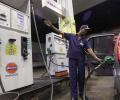
After the latest spike in crude oil prices, petrol prices could potentially go up to around Rs 90 a litre making a dent in the consumer's wallet. This, the analysts fear, will push the cost of vehicle ownership in the country, further reducing the demand potential for the industry.

Large chains like the Marriott and Taj that are estimated to consume two million plastic bottles a year have taken a conscious decision to first eliminate PET bottles on their premises and then reduce the use of single-use plastic altogether, saying they are all for a sustainably environment-friendly tomorrow.

Auto sales have been declining for 13 straight months as a broader slowdown in the economy has crippled demand across the country.

The overall volume at India's top four M&HCV makers - Tata Motors, Ashok Leyland, Volvo Eicher, and Mahindra & Mahindra - fell 59.5 per cent to 31,067 units during the month.
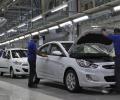
The optimism stems from benign fuel prices, adequate and well distributed rainfall and the recent measures announced by the government to boost liquidity at banks and NBFCs.
Net profit at M&M and Mahindra Vehicle Manufacturing Ltd contracted to Rs 918 crore from Rs 1,238 crore a year ago while revenue and other income decreased to Rs 12,997 crore from Rs 13,551 crore a year ago.

The change in stance follows a strong opposition by automakers of the proposed government plan to ban two-wheelers (below 150cc) and three-wheelers by 2023 and 2025, respectively

While home-grown firms like Tata and Mahindra have been actively participating in the government's e-mobility mission, by launching electrified versions of their existing models, the global firms believe electric is not the best solution for a country where the primary source of power generation is coal, and where infrastructure is a big impediment.

JLR, the maker of Jaguar F-Type and Range Rover Evoque, was a jewel in the crown of Tata Motors till two years back. But, it has been struggling because of the pending Brexit, a sharp contraction in sales in China, a shift in consumer preference from diesel to gasoline in Europe, higher taxes on diesel vehicles, and tightening regulations.

Most of the hotels in the country, including the Indian ones that traditionally owned assets, have embarked upon an asset light model for a faster growth and quicker returns. Lemon Tree is likely to announce a deal with Keys Hotels in the next two weeks.
